Talking on the phone constantly during a movie in the cinema is generally considered bad behavior. A theatre is a place to enjoy a new experience, become briefly immersed into a different world, relieved from the responsibilities of this one. Someone gossiping on the phone about everyday events is particularly annoying; not just distracting, but antagonistic to the idea of taking interest in the normal instead of the fantastic. And if a patron does not respond graciously to others’ complaints, the staff are comfortably within their right to politely ask the offender if they would be so kind enough as to leave.
This film is the literal representation of the above. The character spends virtually the entire movie, sitting down in a seat in front of you, talking on their phone. They don’t move. They won’t budge. Occasionally they briefly abscond with the tantalising prospect that their departure is permanent, only as misfortune would have it to come right back to talk on the phone some more, with no one to throw them out.
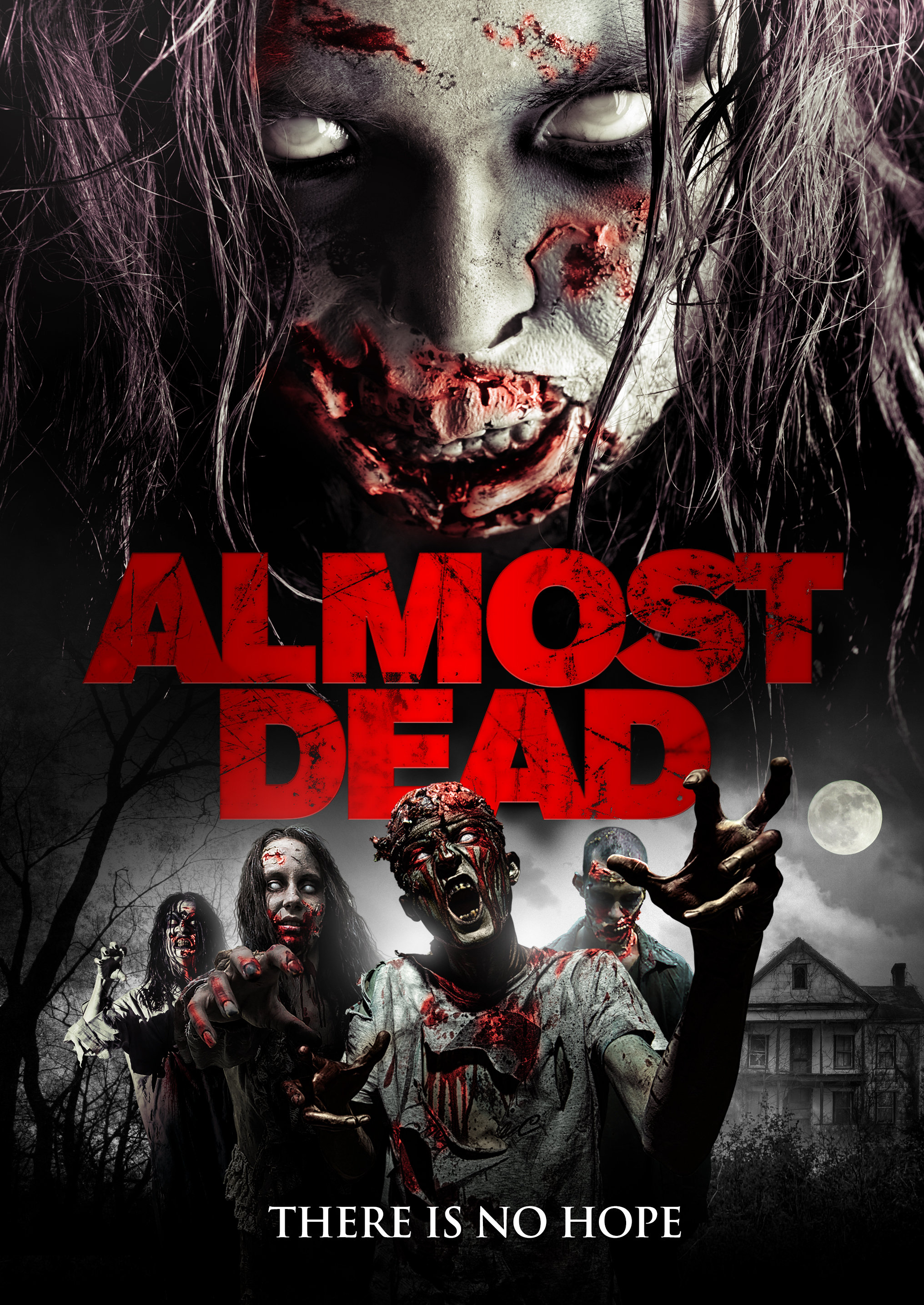
Suffering from amnesia, and too afraid for their life to flee, Doctor Hope hunkers down in their vehicle during the zombie apocalypse. And that’s it. No, really: that’s it. Virtually the entirely of the flick is a helpless woman in a car, weeping on the phone, as lethal infectees crawl around outside. These are disappointing zombies too; they can’t even be bothered to try and break the window for that delicious cranial goodness.
While these are your typical monsters, Almost Dead accepts this, and attempts to deliver a new perspective by subverting the theme and subjecting the protagonist to an extended period of isolation. Hope despairs upon her deteriorating condition and reflects on the final hours of her life, clinging to faraway voices, broken memories, and their own misery, as the tale degenerates into a predictable the-government-did-it-all-along bash.
The lackluster performance of the script fails so poorly to deliver a convincing depiction of panic or dread. The rousing score is particularly out of place; rather than create an emotion of doom and hopelessness, the soundtrack curiously feels more designed towards a thrilling fantasy epic. Worse, Hope’s talent is wasted: clearly they are a confident and competent actor more than able to portray a convincing personality, and who probably spent much of the time wondering what the fuck was going on.
There’s nothing really wrong with this idea. The concept definitely could have been presented as formidable ingredient to an existing story, and could potentially have been an exciting sidekick in deeper terror. Alone, with so few ideas and such trashy direction, the flick is impossibly stretched thin, suggesting the superior option would have been a play, or an audiobook, or a short, or set of shorts as part of a larger piece of multimedia.
2/10
 Possession Media